Houthis Launch Massive Strikes on Saudi Cities, Testing New Regional Defense Pact
Context mode is active. Hover over any highlighted term to see its definition. Click a nested term to go deeper.
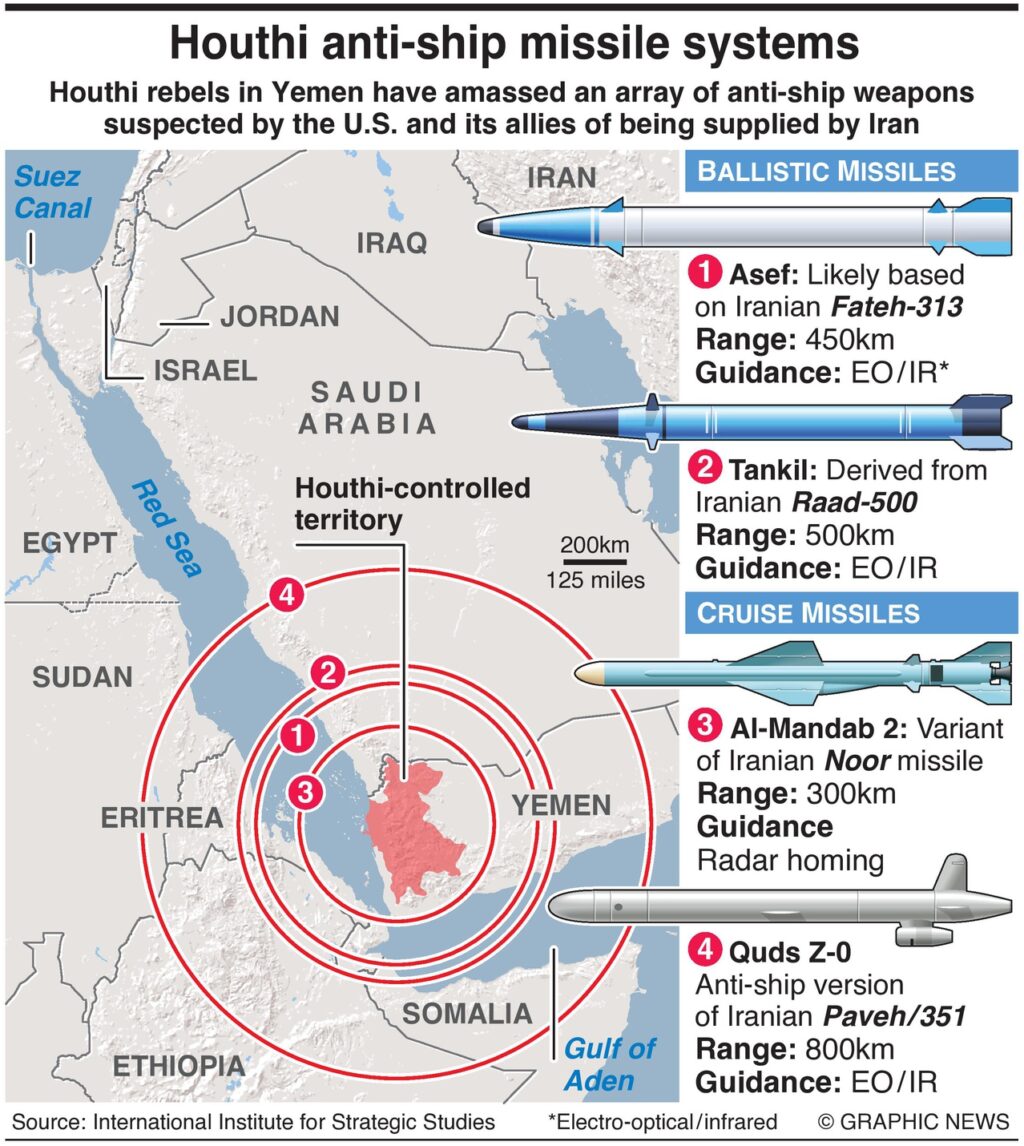
Yemen Iran-backed Houthis unleashed a barrage of missiles and drones on multiple Saudi cities, including the capital Riyadh and the southern city of Khamis Mushait, early Saturday. These large-scale attacks, which Saudi air defenses successfully intercepted, landed just hours after top military chiefs from Saudi Arabia, Pakistan, and Turkey met in Riyadh to bolster regional security and their newly formed Mecca Joint Defence Agreement. The timing of these strikes directly challenges the spirit and effectiveness of the month-old Mecca Pact, a collective security arrangement where an attack on one signatory is considered an attack on all. The Houthis have intensified their offensive since declaring a naval blockade against Riyadh in July 2026, targeting Saudi infrastructure and vital Red Sea shipping routes, which have become even more crucial due to ongoing disruptions in the Strait of Hormuz amidst the wider 2026 Iran war. Analysts are closely watching how Pakistan and Turkey, co-signatories of the defense agreement, will respond to these provocations. With Houthi leaders publicly demanding control over Yemen oil and gas wealth, the attacks signal a dangerous escalation in the long-running Yemen conflict, heavily influenced by Iran support for the Houthi movement. The focus now shifts to whether this latest aggression will trigger a stronger, unified military or diplomatic response from the Mecca Pact allies, potentially reshaping the security landscape across the Middle East and beyond. The international community is bracing for the ripple effects on global energy markets and regional stability.