Indian FMCG Giants Battle Soaring Input Costs, Post-Diwali Price Hikes Loom
Context mode is active. Hover over any highlighted term to see its definition. Click a nested term to go deeper.
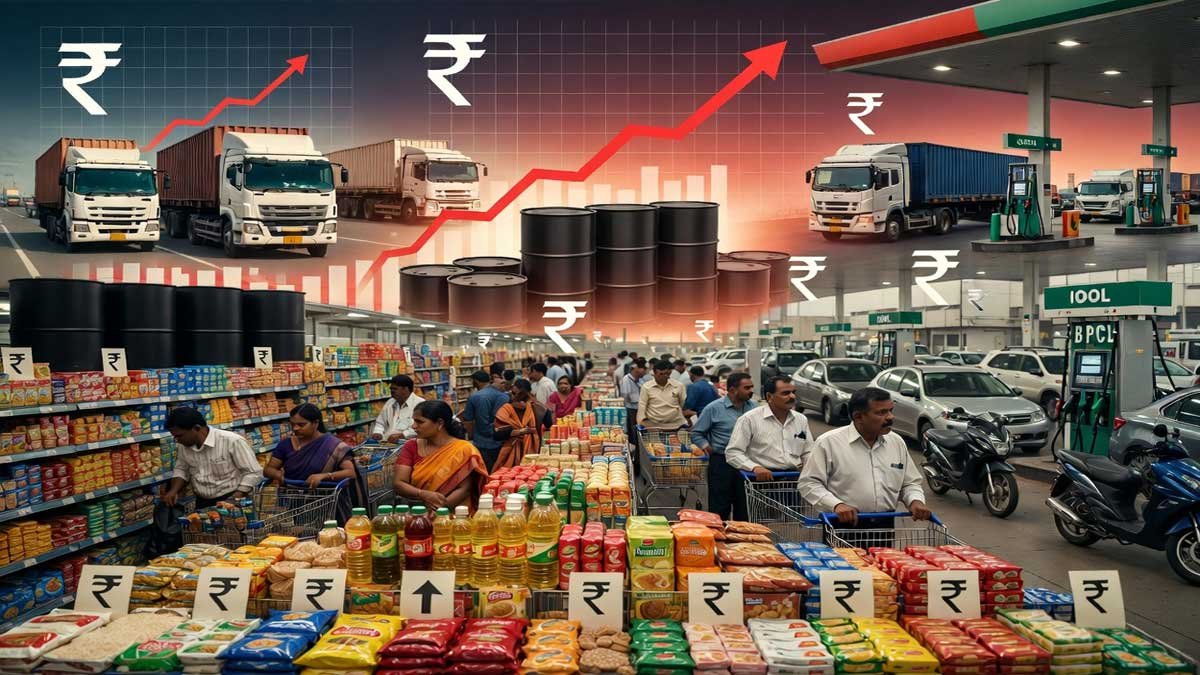
India's Fast-Moving Consumer Goods (FMCG) sector is battling intensified input cost pressures in the July-September quarter of FY27, leading to a significant squeeze on profit margins for companies that produce everything from toothpaste to packaged foods. This pressure has ramped up after a brief easing in the previous quarter, forcing firms to absorb a large chunk of these rising expenses to keep prices stable and protect consumer demand during the crucial festive season. Key culprits behind this margin squeeze include a sharp rise in crude oil and its derivatives, which are vital for packaging materials, along with elevated prices for commodities like palm oil and sugar. While some players like Nestle India have still posted strong revenue growth, their operating profits are lagging due to higher costs. The situation is further complicated by concerns over rural demand, which could moderate due to uneven monsoon conditions and rising food inflation, even as urban consumers show more cautious spending habits, prioritizing value during their festive shopping. Looking ahead, FMCG companies are now seriously considering price hikes after the Diwali celebrations to ease the margin pressure in the second half of FY27. However, this move presents a tough choice: pass on costs and risk hurting price-sensitive mass-market and rural consumer demand, or continue absorbing them and face continued profitability challenges. Industry experts suggest the sector should brace for ongoing margin pressure through H2, with any recovery heavily dependent on commodity prices finally easing and the effectiveness of their calibrated pricing and cost-saving strategies.