US-China Extend Trade Truce by Two Months Amid High-Stakes Xi-Trump Summit
Context mode is active. Hover over any highlighted term to see its definition. Click a nested term to go deeper.
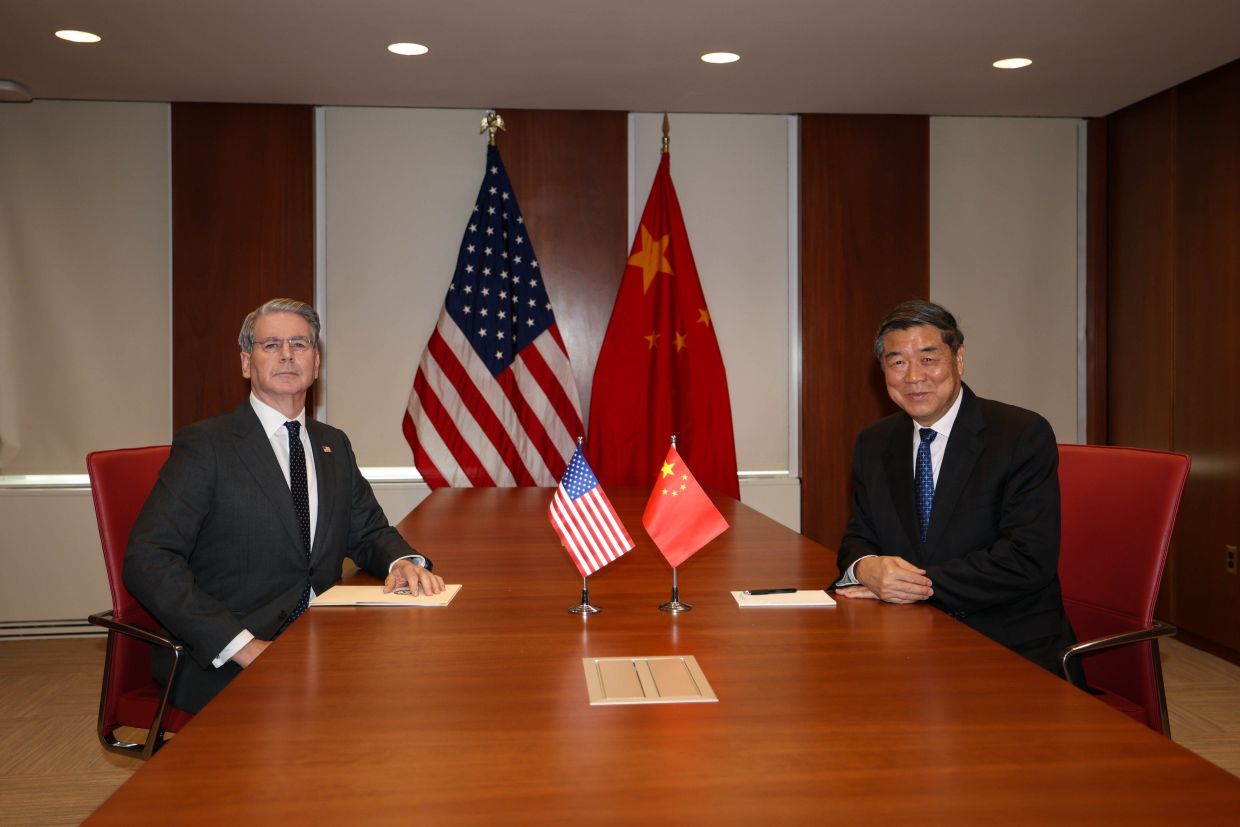
In a critical move to keep global economic tensions from boiling over, the United States and China have just agreed to extend their existing trade truce by two months, pushing the critical deadline from November 10 to January 10. The announcement, made by US Treasury Secretary Scott Bessent on Wednesday, September 23, 2026, followed an unscheduled meeting with Chinese Vice-Premier He Lifeng in Washington, coinciding with Chinese President Xi Jinping high-profile state visit to the US capital for talks with President Donald Trump. The extension of what's known as the 'Busan Agreement' offers a temporary reprieve, buying both economic superpowers more time to hash out a potentially 'bigger deal' and address 'unfinished business' from China's end on existing commitments. The original truce, struck in 2025, had notably lowered tariffs and secured China's promise to restore crucial rare earth magnet supplies, averting a full-blown crisis triggered by earlier 'Liberation Day' tariffs. However, markets reacted with caution, with China's CSI 300 Index seeing a dip, reflecting investor concerns that the shorter-than-hoped-for extension suggests ongoing disagreements, particularly around critical rare earths. Looking ahead, US Trade Representative Jamieson Greer is set to unveil more details on upcoming trade agreements by Monday, with both sides reportedly making progress on reducing tariffs on certain 'non-sensitive goods' like agricultural products and consumer items. Additionally, discussions have initiated on an 'AI safety dialogue,' a crucial step towards managing technological competition. With Presidents Trump and Xi expected to meet again at upcoming summits in Shenzhen and Miami, the global community will be keenly watching whether this two-month extension paves the way for a more substantial and lasting resolution or merely delays another chapter in the protracted trade war.